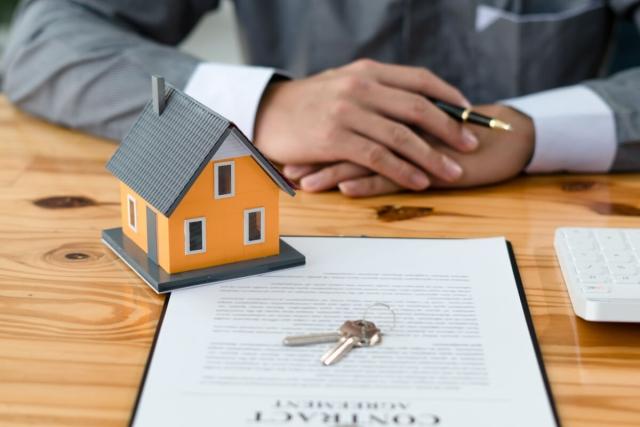
Renting a home comes with more than just paying monthly rent—it also involves a set of legal rights designed to protect tenants from unfair treatment. Many renters are unaware of these protections, which can lead to disputes, financial loss, or even unlawful eviction.
Understanding your rights as a tenant helps you make informed decisions, avoid exploitation, and maintain a healthy landlord-tenant relationship.
Right to a Written Agreement
A written rental agreement or lease is one of the most important safeguards for tenants.
What This Means
- The lease should clearly state rent amount, duration, and terms
- It must outline rules, responsibilities, and penalties
- Both tenant and landlord should sign the document
Why It Matters
A written agreement prevents misunderstandings and provides legal proof in case of disputes.
Right to a Habitable Living Space
Tenants are entitled to live in a property that is safe and fit for habitation.
Basic Standards Include
- Functional electricity and water supply
- Proper sanitation and drainage
- Structurally safe building conditions
- Protection from serious hazards like mold or leaks
If these conditions are not met, the landlord is legally obligated to fix them within a reasonable time.
Right to Privacy
Even though the landlord owns the property, tenants have the right to privacy.
Key Points
- Landlords must give prior notice before entering the property
- Entry is usually allowed only for repairs, inspections, or emergencies
- Frequent or unannounced visits can be considered harassment
This right ensures tenants feel secure in their living space.
Protection Against Unfair Eviction
A tenant cannot be removed from a property without proper legal procedures.
Important Protections
- Evictions must follow legal notice periods
- Immediate eviction without notice is generally illegal
- Tenants have the right to challenge eviction in court
Knowing this helps tenants avoid being forced out unfairly.
Right to Fair Rent Practices
Renters are protected from arbitrary or excessive rent-related actions.
Includes
- Advance notice before rent increases
- No sudden or hidden charges
- Refund of security deposit (subject to conditions)
Always review your lease to understand rent-related clauses.
Right to Non-Discrimination
Tenants have the right to fair treatment regardless of personal background.
Protected Factors May Include
- Religion
- Gender
- Marital status
- Ethnicity
Landlords cannot deny housing or treat tenants unfairly based on these factors.
Right to Repairs and Maintenance
Landlords are responsible for maintaining the property.
What Tenants Can Expect
- Timely repairs of plumbing, electrical, and structural issues
- Safe living conditions at all times
- Response to maintenance requests within a reasonable period
Tenants should report issues promptly and keep records of communication.
Right to Security Deposit Protection
Security deposits are meant to cover damages—not to be withheld unfairly.
Key Rights
- Clear terms on deposit usage
- Return of deposit after tenancy ends
- Deductions must be reasonable and documented
Always document the property condition when moving in and out.
Responsibilities of Tenants
Rights come with responsibilities. Tenants are expected to:
- Pay rent on time
- Maintain cleanliness
- Avoid property damage
- Follow lease terms
Failing to meet these obligations can weaken your legal standing.
Final Thoughts
Being aware of tenant rights is essential for a secure and stress-free renting experience. It not only protects you from unfair practices but also helps you handle conflicts with confidence. A well-informed tenant is far less likely to face legal or financial troubles.
Taking the time to read your lease carefully and understanding your legal protections can make a significant difference in your renting journey.
FAQs
1. Can a landlord increase rent anytime?
No, landlords must usually provide advance notice and follow the terms mentioned in the lease agreement.
2. What should I do if my landlord refuses to make repairs?
You should document the issue, notify the landlord in writing, and, if necessary, seek help from local housing authorities.
3. Is a verbal rental agreement legally valid?
In some cases, yes—but a written agreement is always safer and easier to enforce.
4. How long does a landlord have to return a security deposit?
This depends on local laws, but it is typically within a few weeks after moving out.
5. Can a landlord enter my home without permission?
Only in emergencies or with proper notice, depending on local regulations.
6. What qualifies as an illegal eviction?
Eviction without notice, forceful removal, or shutting off utilities to force a tenant out are generally illegal.
7. Can I break my lease early without penalty?
It depends on the lease terms and local laws. Some situations, like unsafe living conditions, may allow early termination without penalties.