The real estate market is constantly evolving, and 2026 is shaping up to be a year of transformation. Driven by technology, changing lifestyles, and economic shifts, buyers and investors are approaching property decisions differently than ever before.
Understanding these trends can help you stay ahead—whether you’re buying, selling, or investing.
🌆 Rise of Smart and Connected Homes
Technology is becoming a standard feature in modern homes.
Key features in demand:
- Smart lighting and automation
- App-controlled security systems
- Voice-enabled devices
Homes equipped with smart features are more attractive to buyers and often command higher prices.
🌱 Growing Demand for Sustainable Living
Eco-conscious living is no longer optional—it’s a priority.
- Energy-efficient appliances
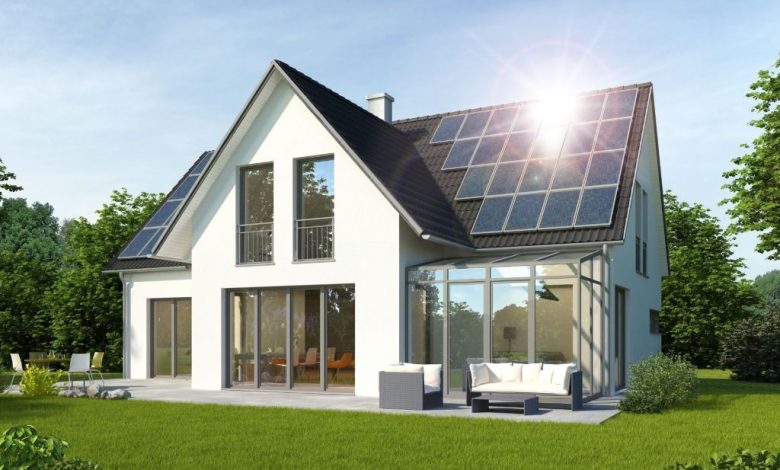
- Solar panels and renewable energy systems
- Sustainable building materials
Green homes reduce long-term costs and appeal to environmentally aware buyers.
🏘️ Shift Toward Suburban and Tier-2 Cities
Urban congestion and remote work are influencing location choices.
- Increased demand in suburban and smaller cities
- More space at relatively lower prices
- Improved infrastructure in emerging areas
This shift opens new opportunities for investors.
💻 Expansion of Digital Property Platforms
The property search process is becoming fully digital.
- Online listings with virtual tours
- AI-based property recommendations
- Faster communication and transactions
Technology is making real estate more accessible and transparent.
🧑💻 Work-From-Home Friendly Spaces
Remote work continues to shape housing preferences.
- Demand for home offices or flexible spaces
- Preference for larger homes with better layouts
- Quiet, well-connected locations
Properties that support productivity are gaining value.
🏢 Co-Living and Flexible Housing Models
Lifestyle changes are driving new living arrangements.
- Shared living spaces for professionals
- Fully furnished, ready-to-move-in units
- Short-term and flexible rental agreements
These options are especially popular among younger populations.
📈 Increased Focus on Investment Properties
More individuals are exploring real estate as an income source.
- Rental income opportunities
- Long-term appreciation potential
- Diversification of investment portfolios
Real estate is increasingly seen as a stable wealth-building tool.
🏗️ Growth of Infrastructure-Driven Markets
Infrastructure development is boosting property demand.
- New highways, metro lines, and airports
- Expansion of commercial hubs
- Government-backed development projects
Properties near such developments often see rapid value growth.
🔐 Importance of Legal Transparency
Buyers are becoming more cautious and informed.
- Greater demand for clear documentation
- Preference for verified and approved projects
- Increased awareness of property rights
Transparency is becoming a key factor in decision-making.
🧠 Data-Driven Decision Making
Buyers and investors are relying more on data than intuition.
- Market analytics and pricing trends
- Rental yield comparisons
- Investment risk assessment tools
This shift leads to smarter and more calculated investments.
✅ Final Thoughts
Real estate in 2026 is defined by innovation, sustainability, and changing lifestyle needs. From smart homes to emerging locations, the market offers new opportunities for those willing to adapt.
Staying informed about these trends allows you to make better decisions and maximize value—whether you’re purchasing a home or building an investment portfolio.
❓ Frequently Asked Questions (FAQs)
1. Is 2026 a good year to invest in real estate?
Yes, especially in emerging markets and areas with strong infrastructure development.
2. What type of property is most in demand in 2026?
Smart, sustainable, and work-from-home-friendly properties are highly sought after.
3. Are smaller cities good for investment?
Yes, many tier-2 and suburban areas are experiencing rapid growth and offer better affordability.
4. How important are smart home features?
They are becoming increasingly important and can significantly boost property value.
5. What is driving the shift toward suburban living?
Remote work, lower costs, and improved infrastructure are key factors.
6. Are digital platforms replacing traditional property methods?
They are complementing them by making the process faster and more transparent.
7. How can I stay updated on real estate trends?
Follow market reports, local news, and property platforms for regular updates.