

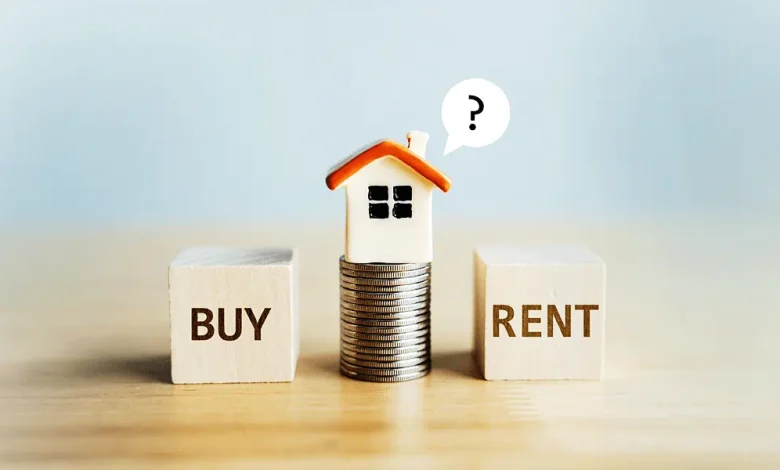
Choosing between renting and buying a home is one of the most significant financial decisions a person can make. The right choice depends on your financial situation, lifestyle preferences, and long-term goals. Rather than a one-size-fits-all answer, the decision is shaped by timing, flexibility needs, and market conditions.
This guide breaks down the pros and cons of each option so you can make a well-informed decision.
Understanding Renting
Renting means paying a landlord for the right to live in a property for a fixed period, typically through a lease agreement.
Advantages of Renting
- Flexibility: Ideal for people who relocate frequently or are unsure about long-term plans
- Lower upfront costs: No need for a large down payment or closing costs
- Maintenance-free living: Repairs and maintenance are usually handled by the landlord
- Access to amenities: Many rental properties offer facilities like gyms, pools, and security
Disadvantages of Renting
- No ownership: Monthly payments don’t build equity
- Rent increases: Landlords can raise rent over time
- Limited control: Restrictions on customization or renovations
- Long-term cost: Over many years, rent can exceed the cost of owning
Understanding Buying
Buying a home involves purchasing property, typically through a mortgage, and building ownership over time.
Advantages of Buying
- Equity building: Monthly payments contribute to ownership
- Stability: Fixed-rate mortgages offer predictable payments
- Creative freedom: You can renovate and personalize your space
- Investment potential: Property value may appreciate over time
Disadvantages of Buying
- High upfront costs: Includes down payment, taxes, and closing fees
- Maintenance responsibility: Repairs and upkeep are your responsibility
- Less flexibility: Selling a home takes time and effort
- Market risks: Property values can fluctuate
Key Factors to Consider
1. Financial Readiness
Buying requires a strong financial foundation, including:
- Stable income
- Good credit score
- Savings for down payment and emergencies
If these are not in place, renting may be the safer option.
2. Duration of Stay
- Short-term (1–3 years): Renting is usually more practical
- Long-term (5+ years): Buying often becomes more cost-effective
3. Lifestyle Preferences
Ask yourself:
- Do you value flexibility or stability?
- Are you ready for long-term commitments?
- Do you want the freedom to customize your home?
4. Market Conditions
Housing prices, interest rates, and rental demand can influence your decision significantly.
- High property prices → Renting may be smarter
- Low interest rates → Buying becomes attractive
5. Hidden Costs
Both options have additional costs:
Renting:
- Security deposits
- Utility bills
- Rent hikes
Buying:
- Property taxes
- Insurance
- Maintenance and repairs
Renting vs Buying: A Quick Comparison
| Factor | Renting | Buying |
|---|---|---|
| Upfront Cost | Low | High |
| Flexibility | High | Low |
| Maintenance | Landlord handles | Owner responsible |
| Investment Value | None | Builds equity |
| Stability | Less stable | More stable |
When Renting Makes More Sense
- You are early in your career
- You expect to move soon
- You lack sufficient savings
- You prefer minimal responsibility
When Buying Is the Better Choice
- You plan to stay long-term
- You have financial stability
- You want to build wealth through property
- You prefer ownership and control
Final Thoughts
There is no universally “better” option between renting and buying. The right decision depends on your personal circumstances, financial health, and future plans. Renting offers flexibility and lower risk, while buying provides long-term stability and investment potential.
Making a thoughtful, realistic assessment of your goals will lead you to the right choice.
FAQs
1. Is renting always cheaper than buying?
Not necessarily. Renting may be cheaper in the short term, but buying can be more economical over the long run due to equity building.
2. How much should I save before buying a house?
Typically, you should aim for at least 10–20% of the property value as a down payment, plus extra for closing costs and emergencies.
3. Can renting ever be a better long-term strategy?
Yes, especially if you invest the money you save instead of buying, or if you live in a high-cost housing market.
4. What are the biggest risks of buying a home?
Market fluctuations, unexpected maintenance costs, and reduced mobility are key risks.
5. Does renting affect my credit score?
Generally, rent payments don’t impact your credit score unless reported, but missed payments can negatively affect it.
6. How do interest rates impact buying decisions?
Lower interest rates reduce mortgage costs, making buying more attractive.
7. Should I buy a home as an investment?
It can be a good investment, but it depends on location, market trends, and your financial situation.


